
Deep Learning in Neuroradiology: A 2025 Landscape Review
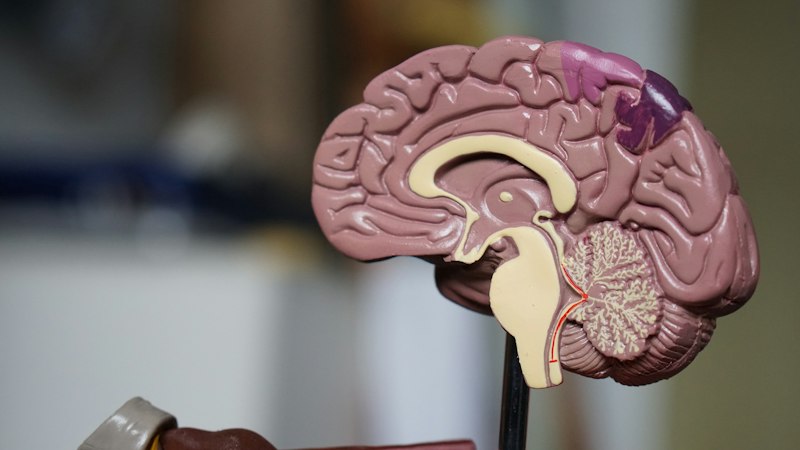
A comprehensive look at how transformer models are reshaping stroke analysis.
The past five years have witnessed a seismic shift in neuroradiology, driven largely by the adoption of transformer-based architectures originally developed for natural language processing. In 2025, these models are now routinely used in leading academic medical centers for acute stroke triage, white matter lesion quantification, and brain tumor segmentation.
Vision transformers (ViTs) have proven especially adept at capturing long-range spatial dependencies in MRI sequences — a key limitation of earlier CNN-based approaches. For stroke detection, multi-modal transformer models combining DWI, ADC maps, and FLAIR sequences have achieved AUC values exceeding 0.97 in independent validation studies.
One of the most impactful developments has been the emergence of foundation models for radiology. Trained on millions of imaging studies across modalities, these large models can be fine-tuned with minimal labeled data, dramatically lowering the barrier to deploying AI in smaller institutions.
Despite the progress, challenges remain. Generalization across scanner manufacturers and imaging protocols continues to be a pain point, as does the need for interpretable outputs that radiologists can trust. Federated learning frameworks have shown promise in addressing the data diversity problem without requiring centralized data sharing.
The regulatory landscape has also evolved. The FDA has now cleared over 70 AI/ML-based radiological devices, with stroke detection and triage tools representing the largest category. However, post-market surveillance requirements are becoming more stringent, requiring continuous monitoring of model performance in real-world settings.